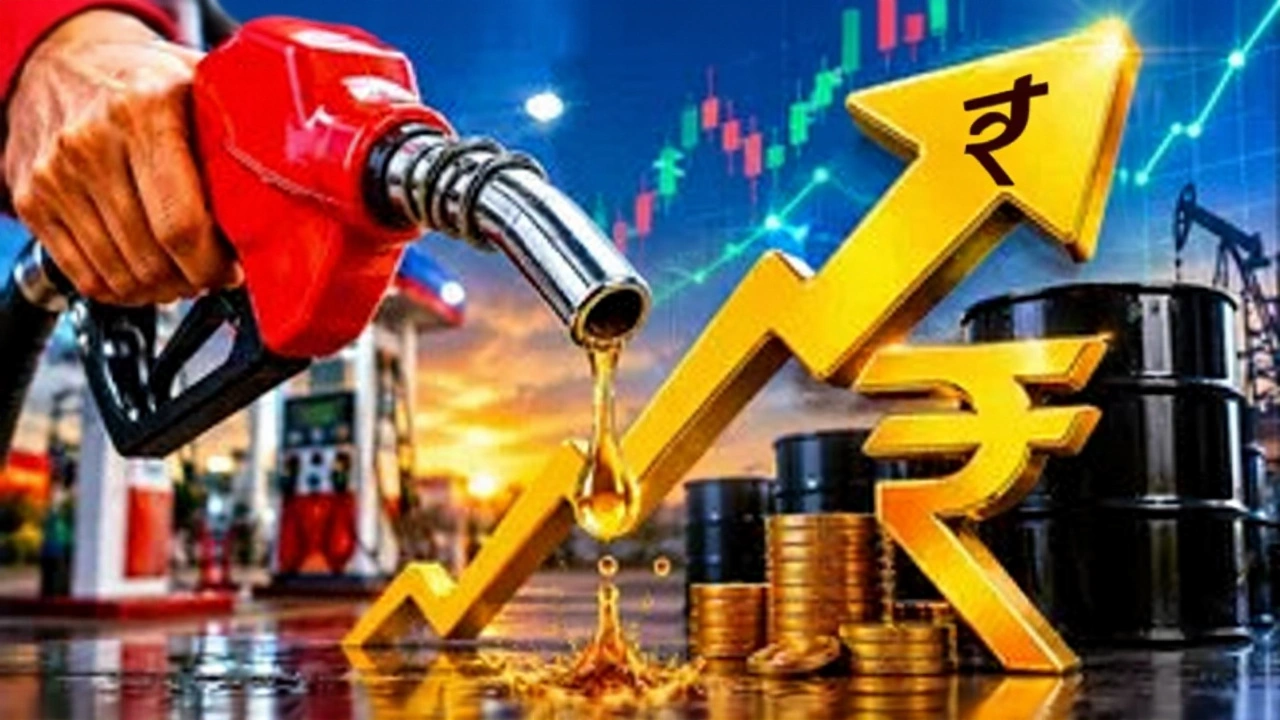
It’s the fourth time in just ten days that your wallet has taken a hit at the pump. As of May 25, 2026, petrol prices across India jumped by ₹2.61 per liter, while diesel saw an even steeper rise of ₹2.71. For drivers in New Delhi and other major metros, this isn’t just another daily fluctuation—it’s a cumulative blow. Over the last eleven days, you’ve paid ₹7.40 more for every liter of petrol and ₹7.52 extra for diesel. That adds up fast when you’re commuting daily or running a business.
The twist? This surge happens despite global crude oil prices actually cooling down. Brent crude is trading around $98 per barrel, significantly lower than the panic-induced peaks of $120 seen earlier in the year. So why are domestic prices climbing? The answer lies in a complex mix of geopolitical anxiety, currency fluctuations, and a pricing mechanism that critics say lacks transparency.
The Disconnect Between Global Crude and Local Pumps
Here’s the thing that’s baffling economists and consumers alike: international benchmark prices are falling, yet local fuel costs are rising. According to data from the Ministry of Petroleum and Natural Gas, the latest revision was issued at 6:00 AM IST on May 25. This follows three previous hikes on May 15, May 19 (a 90.90 paise jump for petrol), and May 23 (₹0.87 for petrol, ₹0.91 for diesel).
Market analysts like Sandeep Chaudhary, Chief Economist at ICRA, have pointed out this glaring disconnect. "When crude drops from $120 to $98, we expect some relief," Chaudhary noted. "Instead, we see consecutive hikes. It suggests the pricing formula is reacting more to future risk premiums than current market realities."
The primary driver cited by officials is the ongoing geopolitical tension involving Iran, Israel, and the United States. These conflicts threaten the Strait of Hormuz, a critical chokepoint through which roughly 20% of the world’s oil supply passes. Even if the actual volume of oil hasn’t dropped, the *fear* of disruption keeps insurance costs and shipping rates high, which gets baked into the final price.
Who Sets the Price? The Big Three OMCs
In India, fuel pricing isn’t decided by a single entity but by three public sector giants working in tandem. These are:
- Indian Oil Corporation (IOC)
- Bharat Petroleum Corporation Limited (BPCL)
- Hindustan Petroleum Corporation Limited (HPCL)
These companies revise prices daily based on a fortnightly average of international crude prices, exchange rates, and dealer margins. While the system aims for transparency, the lag between global price changes and local adjustments often works against the consumer during volatile periods. When crude falls, prices drop slowly. When it rises—or when fears spike—prices jump immediately.
The ₹100 Diesel Threshold and Economic Ripple Effects
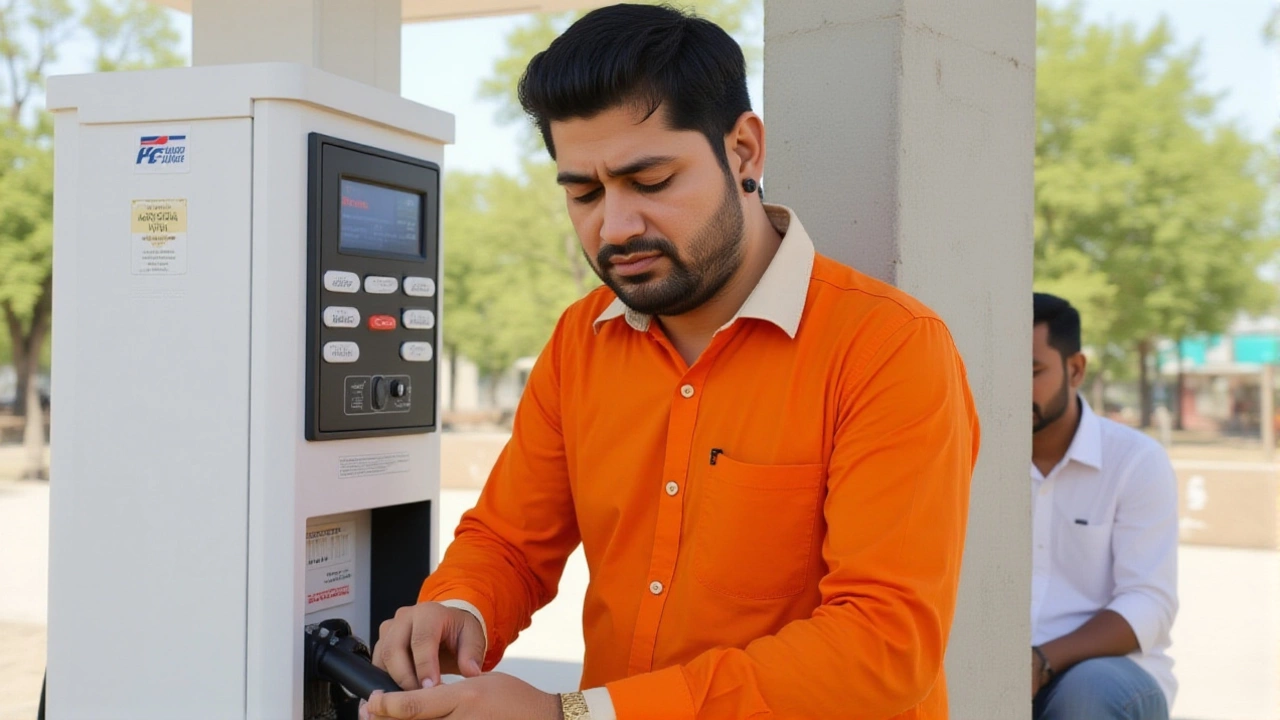
Diesel has now crossed the psychological barrier of ₹100 per liter in multiple cities, including Delhi. This matters because diesel isn’t just for private cars; it powers trucks, buses, generators, and industrial machinery. A ₹7.52 increase over two weeks translates to higher logistics costs, which eventually get passed on to you in the form of expensive vegetables, electronics, and services.
Consumer advocacy groups are raising alarms. "This is inflationary pressure disguised as market adjustment," said one representative from a New Delhi-based rights group. "The government claims it can’t control global markets, but they do control taxes. Reducing VAT or central excise could provide immediate relief, but there’s no sign of that happening."
What’s Next for Fuel Prices?
Looking ahead, the outlook remains murky. Geopolitical tensions in the Middle East show no signs of de-escalating quickly. If the conflict widens, crude could spike again, pushing domestic prices even higher. Conversely, if diplomacy succeeds and the Strait of Hormuz stabilizes, we might see a correction—but likely not before mid-June.
Experts suggest keeping an eye on two key indicators: the US dollar-to-rupee exchange rate and any diplomatic breakthroughs between Iran and Western powers. Until then, brace yourself. The pumps aren’t getting cheaper anytime soon.
Frequently Asked Questions
Why are fuel prices rising when crude oil prices are falling?
While Brent crude has dropped to ~$98/barrel from highs of $120, domestic prices reflect risk premiums due to geopolitical tensions in the Strait of Hormuz. Additionally, the rupee's value against the dollar and existing tax structures mean local prices don't always mirror global benchmarks immediately.
How much have fuel prices increased in total over the last 10 days?
Between May 15 and May 25, 2026, petrol prices have cumulatively risen by ₹7.40 per liter, and diesel prices by ₹7.52 per liter nationwide. This includes four separate hikes, with the most recent being ₹2.61 for petrol and ₹2.71 for diesel.
Which organizations determine fuel prices in India?
Prices are set daily by three public sector oil marketing companies: Indian Oil Corporation (IOC), Bharat Petroleum Corporation Limited (BPCL), and Hindustan Petroleum Corporation Limited (HPCL). They follow guidelines overseen by the Ministry of Petroleum and Natural Gas.
Will diesel cross ₹100 per liter in all cities?
Diesel has already crossed the ₹100 mark in several major cities, including New Delhi. Whether it reaches this threshold in all cities depends on state-specific taxes (VAT) and local dealer margins, which vary significantly across India.
How does the Iran-Israel-US conflict affect my fuel bill?
Conflicts near the Strait of Hormuz threaten global oil supply chains. Even if supply isn't cut off, the *risk* increases insurance and shipping costs. These added expenses are factored into the final fuel price you pay at the pump, regardless of the base crude price.